Test data
LLCR analysis
Extracted low-level contact-resistance data and prepared statistical plots in Minitab and Excel for qualification review.
Professional project · Test and reliability
Mechanical fixture design, electromechanical qualification testing, failure analysis, and engineering workflow development at Amphenol Communications Solutions.

01 · Fixture design
I designed a custom SolidWorks fixture for shock and vibration testing. The fixture geometry supported the PCB while avoiding interference with board traces and test hardware.
The work included translating the test setup into a manufacturable fixture and checking access and mounting constraints before use.

02 · Failure analysis
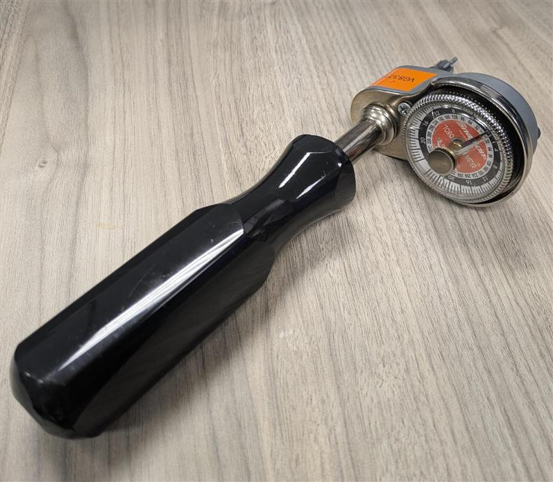
I investigated a torque-related failure and identified screw-length variation as the source of the inconsistent mechanical condition.

03 · Test data and workflow
Test data
Extracted low-level contact-resistance data and prepared statistical plots in Minitab and Excel for qualification review.
Reporting
Developed an Overleaf-based workflow to reduce repetitive work in qualification-report preparation.
Failure intake
Built a structured intake tool for recording and routing qualification failures.
Scope
The internship combined physical hardware, test execution, data review, failure analysis, and documentation.